The athlete's field manual: nutrition
A plain-spoken guide to eating for sport. The fundamentals, without the shouting. It's a starting point, not medical advice: if you have a diagnosis or a hard history with food, talk to a real professional first.
Food is training, on a different clock
Your food has two jobs. Fuel: the energy to do the work. Rebuild: the material to come back stronger. Get either wrong and it doesn't show in the mirror first. It shows late in the game.
A calorie is a unit of work
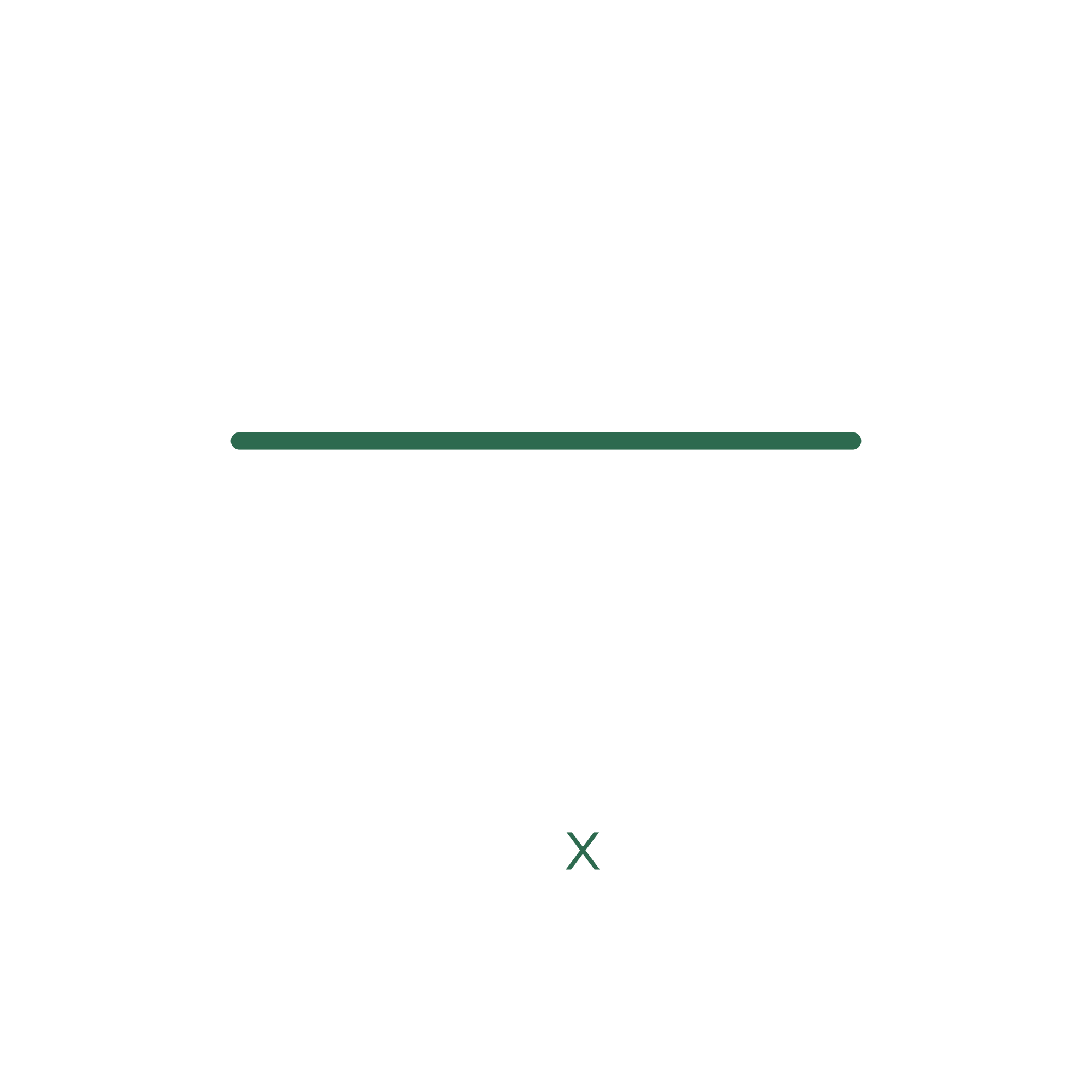
Everything you do costs some. Everything you eat supplies some. Weight change is that ledger, read over weeks. Nothing about it is moral, and nothing about it is permanent.
Maintain
Lose
Gain
Three levers. That's the whole list.
Carbs and fats are not bad for you. Not understanding them is. Protein stays put whether you're losing or gaining; carbs and fats are the ones you push around.
Water, with a little salt in it
Losing 2% of your body weight in water measurably hurts endurance, focus and decisions. Most athletes start games already a little behind. Sweat takes salt out with it, so on hot days and in sessions over an hour, put some back.
Before the game: fill the tank early
Working backward from the first whistle. The closer you get, the lighter, simpler and more liquid the food. And nothing new on game day. New foods are for days that don't count.
After the game: the next one starts now
A hard game drains your stored fuel and tears muscle. The best return on a meal is in the first hour or so. Not magic, but meaningful. Aim for about 1 g of carbs and 0.3 to 0.4 g of protein per kg: for a 165 lb athlete, roughly 75 g carbs and 25 g protein. A rice bowl, near enough.
Can it be a burger, fries and a pop? Yes, occasionally. Celebration is part of sport. Aim for 80 to 90 percent of your week from whole, single-ingredient foods and the rest is for living.
A training day, hour by hour
A sketch, not a prescription: a 175 lb (80 kg) athlete with a hard session at 4 pm.
Changing your weight without wrecking your season
Same ledger as anyone. The difference is there's a game on Saturday that doesn't care about your diet.
The most underrated supplement is a bed
You don't get stronger in the gym. You get stronger in the hours after, and most of that repair happens asleep. Food fuels it. Sleep schedules it.
The basics hold. The edges differ.
Enough calories, protein, carbs around training, and fluid: that's every sport. Here's where they part ways.
Five things worth the counter space
Most of what's sold to athletes doesn't work. Some works and is cheaper as food. I own a supplement store, so weigh this list with that in mind.
Nine ways to undo your own training
Most athletes don't lose to their opponents. They lose to the gap between the training they're doing and the fuelling that supports it.